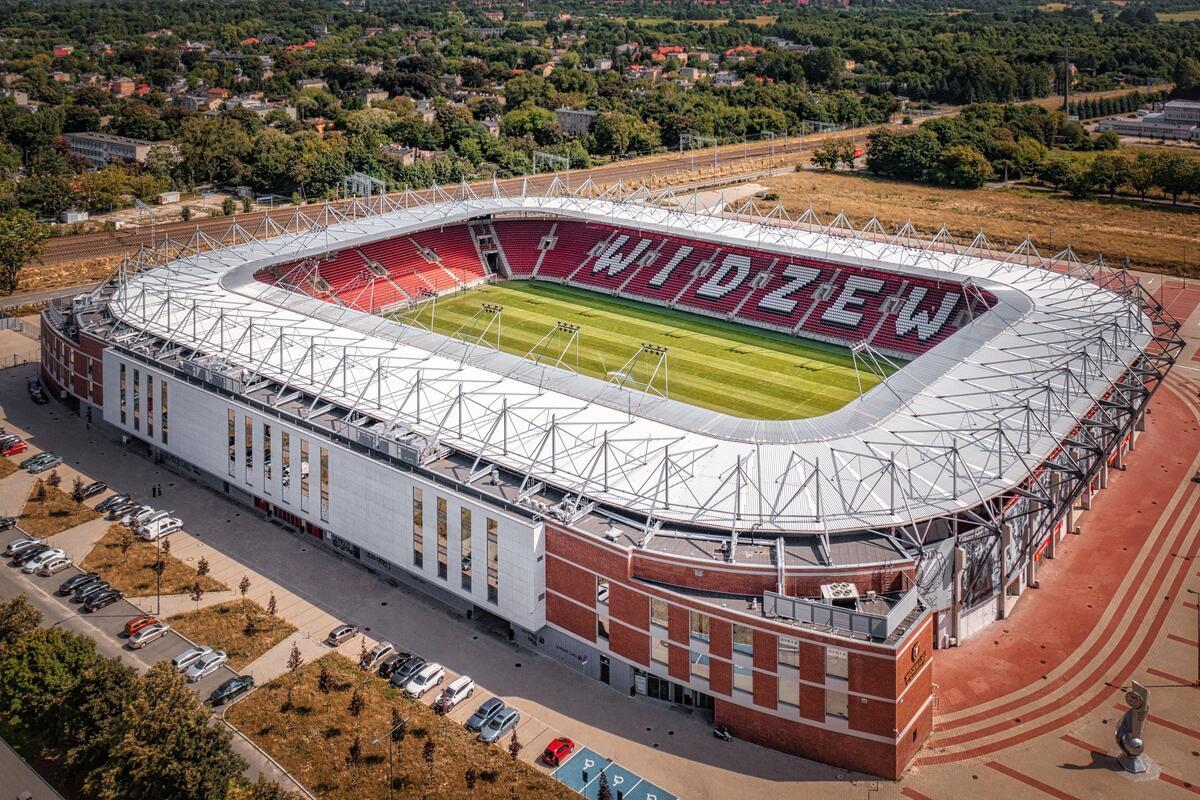
The Undeniable Truth: Widzew Łódź Has Outgrown Its Home
The roar of the crowd, the sea of red and white scarves, the palpable tension of a match day – these are the hallmarks of Widzew Łódź. For years, fans eagerly awaited the club's resurgence, and with its triumphant "widzew łódź return," the passion is stronger than ever. However, this success has brought an unexpected crisis: the club's modern home, the 'Heart of Łódź' stadium, is simply too small. With just over 18,000 seats, it's a testament to the club's incredible popularity, yet simultaneously a frustrating bottleneck for thousands of dedicated supporters yearning to witness their team play. The club's journey back to prominence has been nothing short of remarkable, captivating an entire city. Yet, the very infrastructure meant to support this revival now struggles to contain it. The issue of stadium capacity isn't just a logistical problem; it's a barrier to the club's potential, stifling growth, revenue, and the collective experience of its burgeoning fan base. This article delves into the heart of the Widzew Łódź stadium crisis, exploring its origins, current impact, and the complex path forward.A Missed Opportunity: The Stadium's Unforeseen Shortfall
The current stadium on Piłsudskiego Street, completed in 2017 for approximately 138 million złoty, was a significant upgrade from its predecessor. The old venue, with a capacity of around 14,000, often saw average attendances of only 8,000, even during top-flight matches. This historical context might explain why city authorities, at the time of design, opted for a modest 18,018-seat facility for Widzew. However, a crucial piece of foresight was seemingly ignored. Several years before the final decision, external companies conducted thorough analyses, projecting the attendance potential for both Łódź clubs. These studies robustly indicated that Widzew Łódź would require a stadium capable of accommodating 30,000 to 35,000 fans to meet future demand. For their city rivals, ŁKS, a capacity of 12,000 to 15,000 was deemed sufficient. The irony is stark: the "widzew łódź return" to football's higher echelons has drawn precisely the level of support predicted by those initial, disregarded reports. The consequences of this oversight are now painfully evident. Season tickets for Widzew sell out within moments, and securing a single match ticket for popular fixtures is virtually impossible. This isn't merely an inconvenience; it represents a significant loss of potential revenue for the club from ticket sales, hospitality, and merchandising. More importantly, it denies thousands of loyal supporters the opportunity to regularly attend games, potentially alienating a portion of the fanbase despite their unwavering loyalty.The Fan Phenomenon: A Sea of Red and White Beyond Capacity
The passion of Widzew fans is legendary, and their recent display of loyalty has reignited the stadium expansion debate. The pivotal moment came during an away match against Ruch Chorzów, where an astonishing almost 20,000 Widzew supporters turned up at the Śląski Stadium – a figure that *exceeds* the capacity of their own home ground. This extraordinary turnout underscored the depth of the demand and highlighted the stadium's inadequacy in the most emphatic way possible. Club owner Tomasz Stamirowski, speaking to Gazeta Wyborcza, expressed the club's frustration: "It pains me that Widzew cannot host more fans at their own stadium than those traveling hundreds of kilometers to Chorzów." He reiterated the club's long-standing position that Widzew needs a larger stadium, calling for new analyses and the urgent preparation of an expansion plan. Stamirowski emphasized, "Even during the stadium's construction, there was a lack of foresight that a larger facility might be needed in the future. The will for stadium expansion must come from its owner; our stance on this matter is clear." This unwavering commitment from the club's leadership is a crucial step in addressing the crisis, signaling a collective understanding that the current situation is unsustainable for a club with such grand ambitions and a massive following. The sheer scale of demand post- "widzew łódź return" is truly a phenomenon. It's not just about winning games; it's about the club becoming a central pillar of the city's identity once again. From families eager to introduce new generations to the Widzew tradition to long-time supporters who remember the club's European glory days, everyone wants a piece of the action. The current stadium, however, simply cannot stretch to accommodate this incredible resurgence. For a deeper look into the club's growth and the critical role of a larger venue, explore Widzew Łódź's Resurgence: Why a Bigger Stadium is Crucial.The Architectural Conundrum: Why Simple Expansion Is Not an Option
While the demand for expansion is undeniable, the architectural reality presents a formidable challenge. Jarosław Bińczyk, in his columns for Łódzkie Sport, identified the core problem: "The biggest mistake – in my opinion – was made during the stadium's design." This sentiment is echoed by Jacek Ferdzyn, the very architect who designed the Widzew Stadium. His assessment is sobering: "It's four stands integrated into one structure. It's difficult to make substantial alterations. At most, we could add one or two more tiers, but that would only increase capacity by a thousand viewers. Enlarging it to 30,000 is simply impossible." Ferdzyn's explanation points to fundamental structural limitations, particularly the foundations. A significant enlargement, such as adding an entire second tier around the stadium, would require a complete redesign of the load-bearing structure, which is prohibitively expensive and logistically complex, akin to building a new stadium from scratch. This means the dream of expanding the 'Heart of Łódź' to match the initial analytical projections of 30,000-35,000 seats faces an almost insurmountable physical barrier. This presents a unique dilemma: a stadium that is modern and relatively new is already functionally obsolete in terms of capacity due to its design. It's a stark reminder of the long-term impact of planning decisions in urban development and sports infrastructure. The notion of a quick fix or a straightforward expansion is, unfortunately, a pipe dream, forcing all stakeholders to consider more radical and long-term solutions.Looking Ahead: Navigating the Future of Widzew's Home
Given the architectural constraints, what are the realistic options for Widzew Łódź and the city? The club’s position is clear: a larger stadium is essential for sustained growth and to capitalize on the incredible fan base generated by the "widzew łódź return." Here are potential pathways and considerations:- New Feasibility Studies: The club's call for new analyses is critical. These studies should explore all avenues, including the possibility of a completely new stadium at an alternative location if expansion of the current site is truly impossible. They must assess not only fan demand but also financial viability, urban planning implications, and potential funding sources.
- Phased Minor Enhancements: While a full expansion to 30,000 is off the table for the current structure, exploring every possible minor increase, even adding a few hundred or a thousand seats through clever use of existing space or minimal structural additions, could provide some relief in the short term. This might include reconfiguring standing areas (if regulations allow) or optimizing premium seating.
- Enhanced Fan Experience: If physical expansion is limited, the club could focus on improving the fan experience outside the stadium for those who cannot get tickets. Developing modern fan zones with large screens, entertainment, and F&B options could help monetize the overwhelming demand and maintain engagement.
- Long-Term Vision for a New Venue: This is arguably the most challenging but potentially most impactful solution. A new, purpose-built stadium designed from the ground up for a 30,000-35,000 capacity would be a monumental undertaking, requiring significant political will, massive investment, and years of planning and construction. However, it would secure Widzew's future as a major force in Polish football and beyond.
- Collaboration with City Authorities: Ultimately, the stadium is owned by the city. A strong, collaborative relationship between Widzew Łódź and municipal authorities will be paramount to finding a sustainable solution. This means open dialogue, shared vision, and a willingness to invest in the club's future as a vital asset to the city.
The tale of Widzew Łódź’s stadium crisis is a cautionary one, highlighting the importance of long-term planning and adaptability in sports infrastructure. The incredible "widzew łódź return" has brought unparalleled joy and support, but also an urgent need for a home that can truly embrace its destiny. The path forward is fraught with challenges, yet the unwavering passion of the Widzew faithful demands that every option be explored to ensure the 'Heart of Łódź' beats strong for generations to come.